
Cohort Signal Lab
Build trial-to-paid cohorts that survive introductory offers, grace periods, and store-region drift.
Open the syllabusBangkok studio · 2026 cohort calendar
Datafeaturegrid is a small teaching practice for people who own in-app purchase analytics: growth leads, monetization PMs, and data partners who are tired of dashboards that celebrate trial starts and ignore refunds.
View the catalogue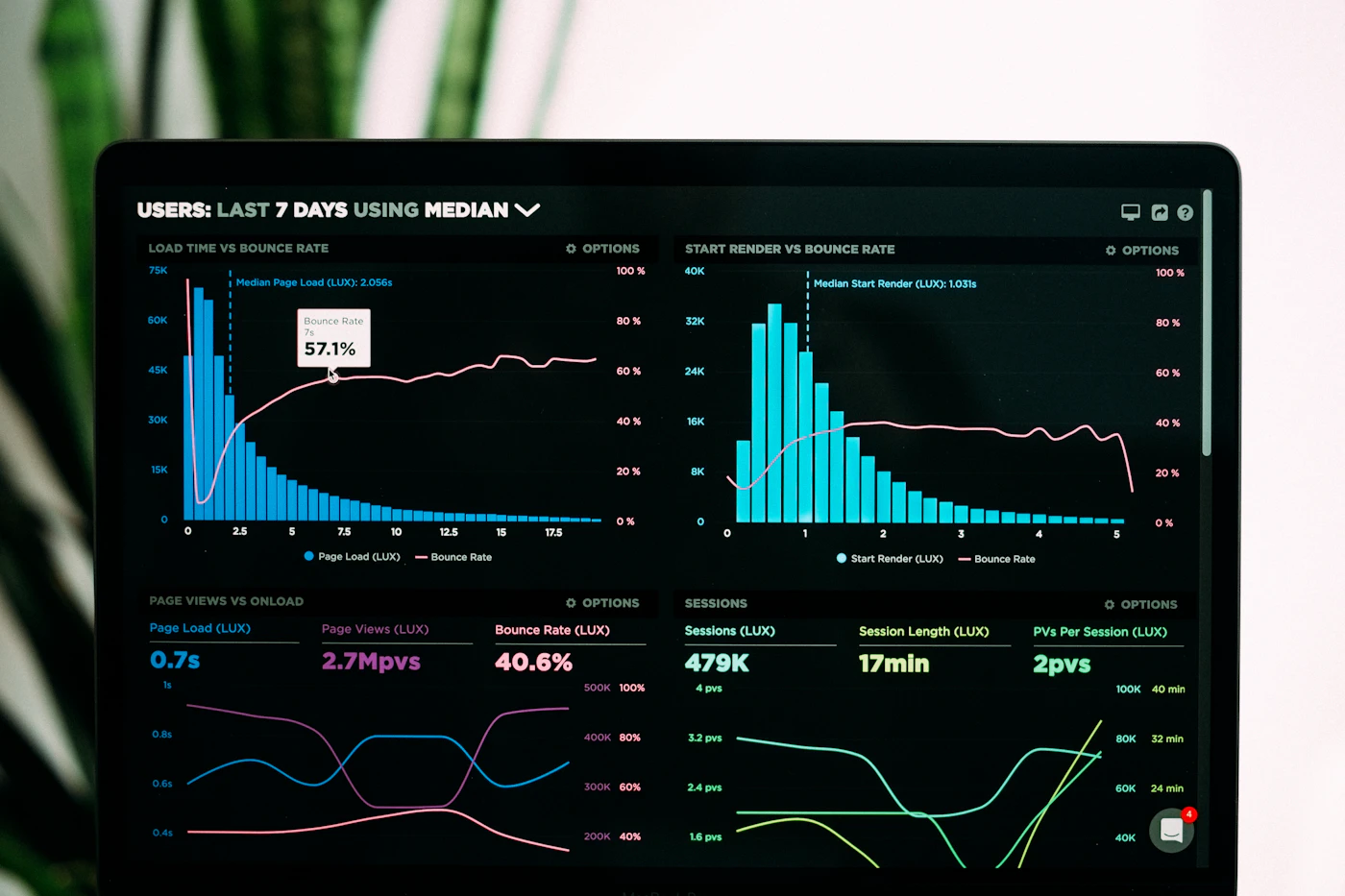
Paywall drop-off after day-three trial, Southeast Asia catalog, Q1.
Catalogue preview
Each programme names a specific leak in in-app purchase analytics. You leave with worksheets you can drop onto your own SKUs the following Monday.
Build trial-to-paid cohorts that survive introductory offers, grace periods, and store-region drift.
Open the syllabus
Decode App Store and Play receipts until “consumable,” “auto-renew,” and “family share” stop being synonyms.
See listing
Design price-point tests that still make sense after store review and currency rounding.
See listing
How the studio teaches
We treat a refund the same way a designer treats a rage tap: as a sentence the product already wrote.
Most in-app purchase analytics programmes start with a tool vendor’s schema. We start with the store file you already export. That keeps the conversation honest when Thailand billing cycles, family sharing, or Play’s acknowledgement window disagree with your north-star chart.
Sessions mix critique of anonymised catalogs with quiet desk time. You will not be asked to pitch a fake startup. You will be asked why day-7 paid looks healthier than day-30 net of refunds.
Read the studio noteFrom people who sat the work
Cohort Signal Lab forced our team to stop blending introductory monthly and standard annual into one “subscribers” line. The first week felt pedantic. By week five we could finally explain a Thailand vs. Singapore gap without waving at “culture.”
★★★★☆SKU Experiment Studio is careful about store review delays. I still wish the homework had a cleaner template for Play Billing price ladders — we rebuilt one ourselves.
Refund Forensics made our finance partner stop treating chargebacks as a closed ticket. We now tag three product reasons before we close a spike.
Practice areas
Trial length, grace, billing retry, and “paid” are four clocks. Mixing them is how teams invent a conversion rate nobody in finance recognises.
A 20% off annual offer is not a price test if it also changes the trial, the paywall copy, and the country mix in the same week.
Spikes after a paywall redesign often arrive before App Store reviews do. We teach you to read them without waiting for a quarterly deck.
StoreKit and Play Billing will not share an attribution window. Pretending they do is how “ROAS” becomes a mood.
From the journal

A walk through the four silent drop-offs that never appear on a “checkout started” chart.
Next conversation
We would rather decline a poor fit than sell a seat that cannot use the worksheets.
Request a studio reply